

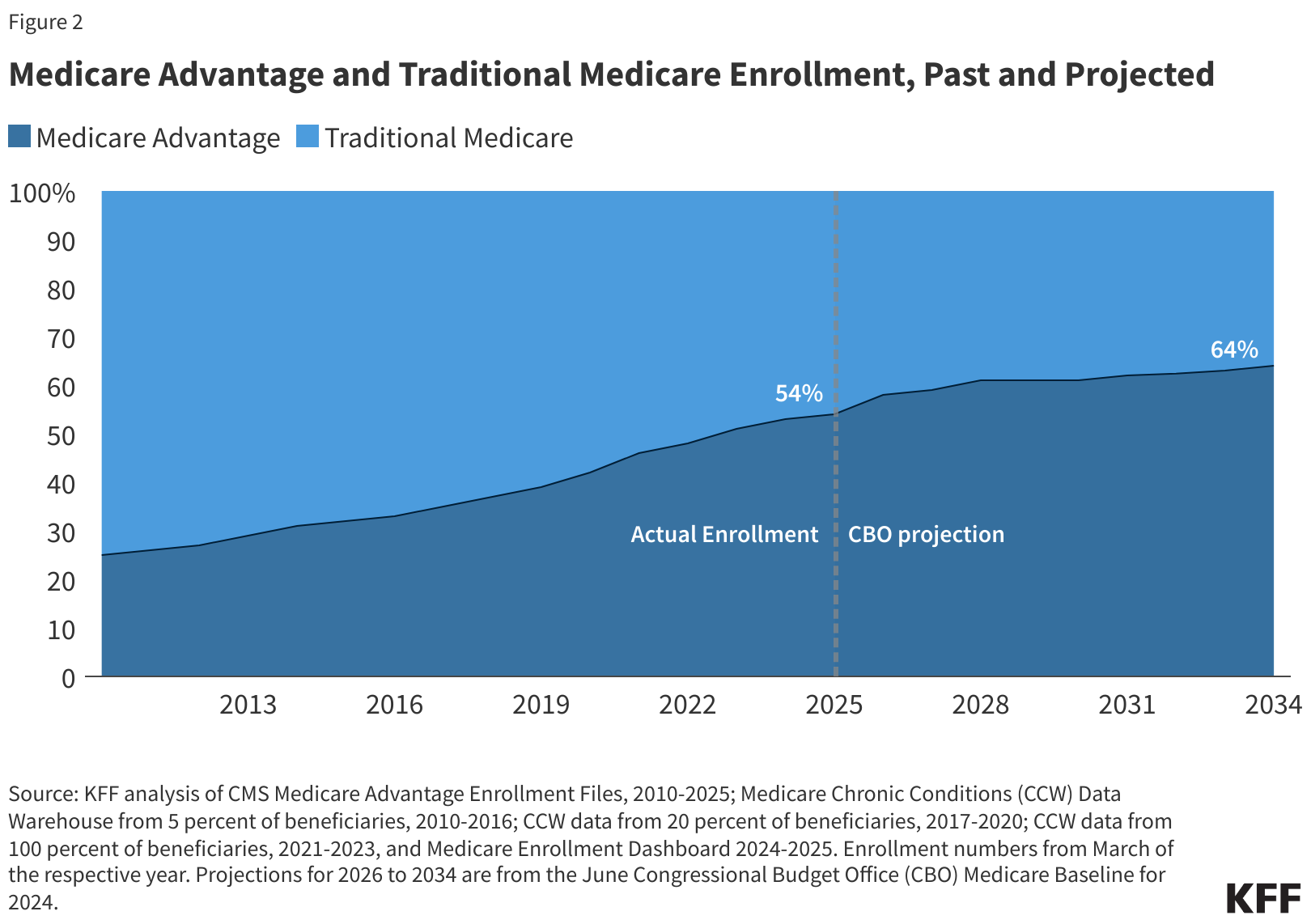
Applying for health coverage at the right time is essential for securing benefits without delays or penalties. Many individuals often miss important deadlines due to lack of awareness or confusion about eligibility windows. The Medicare Advantage Plan Enrollment Period plays a crucial role in determining when beneficiaries can sign up, switch, or make changes to their existing plans. Understanding this timeline helps applicants avoid gaps in coverage and ensures access to necessary healthcare services. comparemedicareadvantageplans.org
Proper planning also allows individuals to compare available options and select a plan that best aligns with their medical needs and financial situation. Awareness of the enrollment structure significantly improves decision-making and reduces last-minute stress for applicants seeking reliable healthcare coverage.
Recent enrollment statistics indicate that millions of beneficiaries evaluate or change their Medicare Advantage coverage each year, reflecting growing awareness of plan flexibility. A significant percentage of applicants report improved satisfaction when they actively compare benefits during the enrollment window. Data also suggests that early applicants are more likely to select plans with lower out-of-pocket costs and broader provider networks. Additionally, healthcare analysts note a steady increase in digital applications, showing a shift toward online enrollment tools. This trend highlights the importance of understanding deadlines and preparing documentation in advance to ensure smooth processing and timely approval of coverage requests.
Applying for Medicare Advantage plans involves several structured steps that help simplify the enrollment process. First, individuals should review their eligibility and confirm their enrollment window dates. Second, comparing available plans based on coverage, premiums, and provider networks ensures better decision-making. Third, applicants should gather essential documents such as identification, existing insurance details, and medical history information. Fourth, submitting the application through official online portals or authorized representatives helps ensure accuracy and speed. Finally, reviewing confirmation details after submission is essential to avoid errors or delays. Following these steps carefully increases the likelihood of selecting a plan that meets both healthcare and financial requirements effectively.
FAQ: What is the best time to apply? The ideal time is during the designated annual enrollment window, allowing beneficiaries to explore multiple plan options without penalties. FAQ: Can changes be made after enrollment? Yes, modifications are generally allowed during specific periods if eligibility criteria are met, ensuring flexibility for changing healthcare needs. FAQ: What happens if the deadline is missed? Missing the enrollment deadline may limit options and could result in delayed coverage until the next available period. Staying informed about timelines is essential for uninterrupted healthcare access and better financial planning. Understanding these common questions helps applicants make informed decisions and reduces confusion during the application process.
Conclusion: Navigating enrollment successfully requires awareness of timelines, preparation of documents, and careful comparison of available healthcare options. Applicants who stay informed about enrollment rules are more likely to secure comprehensive coverage that meets their medical and financial needs. Planning ahead also reduces stress and ensures smoother application processing. With healthcare costs continuing to rise, making informed choices during enrollment periods is more important than ever. By following structured steps and understanding key deadlines, individuals can maximize their benefits and avoid unnecessary complications. Staying proactive and organized ultimately leads to better healthcare outcomes and long-term financial stability.



More Stories
Medicare Part C Plans: Comprehensive Coverage for Every Senior
Behind the Scenes of an Asbestos Inspection: What Homeowners Should Expect